
Edible Flower Basics
Why Eat Flowers?
Eating flowers sounds like something a deranged fairy would do, but humans have practiced this for millennia. The culinary term is anthophagy, and it adds unexpected dimensions to a plate. Knowing what flowers are edible can make a bland salad far more interesting. Yet not every bloom is snackable. Some are toxic, and identification is everything. Take the viola, which tastes like wintergreen, or the nasturtium, a peppery petal. South African chefs increasingly use indigenous blooms, but I would never forage without a guide. Why eat flowers at all? For flavor, color, and the sheer novelty of eating something that looks like a wedding centerpiece. Common uses include:
- Infusing honey with floral notes
- Candying petals for cake toppers
- Freezing blooms into ice cubes
Always source organic, pesticide-free blossoms, and introduce them gradually. Your palate deserves adventure, but your stomach deserves caution!
Nutritional Benefits
Roses deliver more vitamin C than an orange by weight, which might surprise those who view petals as garnish. Knowing what flowers are edible provides a source of phytonutrients unmatched by most vegetables. Violas contain antioxidant anthocyanins, the same compounds that give blueberries their reputation. Marigolds, especially the Tagetes variety, offer lutein for eye health. Hibiscus provides anthocyanins and organic acids that support circulation. These benefits appear in modest quantities, so treat blooms as a complement rather than a primary source.
A small handful of petals adds measurable nutrition: vitamin A from calendula, potassium from borage, magnesium from squash blossoms.
- Nasturtiums yield vitamin C and antimicrobial compounds
- Chive blossoms contribute vitamin K and choline
- Pansies supply manganese and folate
Cultivated petals often contain more nutrients than wild counterparts due to soil management. The nutritional profile shifts with growing conditions and harvest time, so local South African varieties deserve attention. Understanding what flowers are edible changes how you view the garden.
Which Parts Are Edible
Only a fraction of a bloom belongs in your salad. The petals are the usual choice, but the rest of the flower might be tough, bitter, or toxic. For most edible varieties, you eat the corolla, the colorful ring of petals. The calyx, the green protective base, often goes into the compost bin. The stamens and pistils, the reproductive bits, are sometimes removed because they alter taste. A hoverfly or bee may lurk in a hidden curl.
What flowers are edible depends on the species. For roses, remove the white heel at the petal base. For marigolds, use the entire petal but skip the sticky center. For squash blossoms, the whole flower, including the stamen, is often stuffed and fried. For a few blooms, like violets, everything above the stem is edible.
- Calendula: petals only
- Borage: both petals and the star-shaped calyx
- Chive flowers: peel apart the individual florets
Nasturtiums and pansies offer no warning; their petals and centers blend into a single bite. When you are uncertain, start with a single petal and wait a few minutes. The garden yields many surprises.
Seasonal Availability
In South Africa, edible flowers follow the calendar. Spring brings nasturtiums and borage. Summer offers squash blossoms and marigolds. Autumn shifts to calendula and pansies. Winter narrows the choice, but violas thrive in cooler regions.
What flowers are edible changes with the season. A summer salad can use bright marigold petals. A winter garnish might rely on stored or greenhouse blooms. Planning a garden with staggered planting extends the harvest.
– Nasturtiums: spring to autumn
– Calendula: autumn to early winter
– Pansies: winter to spring
I always check the local market first. Seasonal blooms taste better and cost less. The same flower can appear months apart depending on your province.
Popular Edible Flowers
Common Garden Flowers
Roses get the admiration, but your garden has a practical edge. What flowers are edible is a question with a simple answer: many common blooms. Marigolds taste peppery. Borage delivers a cucumber note. South African gardeners can harvest these from their own beds.
Consider the standard options:
– Nasturtiums provide a radish-like bite.
– Pansies contribute a light mint flavor to salads.
– Calendula, often called pot marigold, adds a saffron tint.
These flowers serve as food, not mere garnish. A few petals transform a basic chicken dish into something memorable. I always verify each flower’s identity before ingestion. Pesticide residues and crossbred varieties pose real risks!
Wildflowers You Can Eat
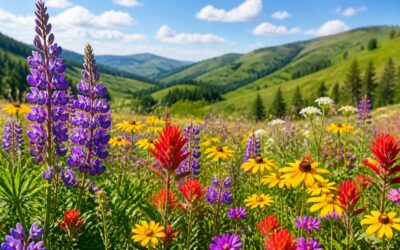
The wild veld holds flavour beyond the cultivated border. Foragers across South Africa know that edible flowers grow in open fields and along rocky slopes. Dandelions offer a honeyed taste when young, while clover brings a pea-like note to trail snacks.
Consider these wild options found in our climate:
- Wood sorrel delivers a sharp lemon tang.
- Pineapple weed, a wild chamomile relative, tastes of ripe fruit with apple hints.
- Bauhinia blossoms carry a subtle earthy taste.
I confirm each plant with a reliable field guide before eating. Wild specimens carry risks from soil contaminants to lookalike species. A cautious approach turns a walk into a culinary discovery. What flowers are edible becomes a question of observation and respect for the land.
Exotic Edible Blooms
Saffron, the world’s costliest spice, is the dried stigma of a crocus flower. That single bloom transforms paella and biryani, but the petals themselves are also edible. They carry a faint honeyed note I find more intriguing than the spice. This is where what flowers are edible turns exotic.
Imported orchids and jasmine provide perfumed bites. Hibiscus, sold as sorrel in South African shops, brews a crimson tea; raw petals brighten salads. These exotic blooms demand more care than garden varieties, yet the sensory payoff is intense! Consider these choices:
- Chrysanthemum petals, pleasantly bitter.
- Banana blossom, shredded and tangy.
- Day lily buds, green and bean-like.
Herb Flowers
Herb flowers often go unnoticed, yet they offer a whole new dimension of flavour. The question of what flowers are edible becomes practical when you look at the herbs already in your garden. Rosemary’s blue blossoms carry a resinous sweetness; thyme flowers are milder than the leaves but just as aromatic. Chive blossoms bring a gentle onion bite to salads. I find that snipping flowering tops of coriander or fennel changes a dish entirely, adding an anise-like lift.
Borage flowers taste faintly of cucumber and hold their shape well, making them a natural garnish for cool drinks. Sage’s purple spikes are edible too, though use them sparingly due to their pungency.
For quick reference, consider:
- Basil flowers, best when young and still white.
- Dill flowers, a softer note than the leaf.
- Mint flowers, tiny and sweet, perfect for desserts.
Each bloom deserves attention when you are asking what flowers are edible and want to move beyond the usual petals.
How to Incorporate Edible Flowers
Using Flowers in Salads
The petals on your salad plate are not decoration. They are the main event! I have learned that simple salads gain a new dimension when petals are scattered across the bowl. Texture and taste must match. Rose petals bring a perfumed softness, while borage flowers add a cucumber freshness that brightens every forkful.
- Calendula petals with avocado and grapefruit for a citrus lift.
- Spicy dianthus with rocket and shaved parmesan.
- Sweet violets tossed into a green salad with a light vinaigrette.
Knowing what flowers are edible before you harvest is essential. Not every bloom belongs on a plate. Chrysanthemums can be bitter, so use them sparingly. I always tear larger petals, such as those of the common sunflower, to avoid a mouthful of tough fiber.
Flower-Infused Beverages
Flower-infused beverages transform a simple glass of water into a botanical experience. I steep hibiscus petals in cold water overnight for a crimson cordial that tastes of cranberries and sunshine. The question of what flowers are edible becomes urgent when you brew with blooms from your garden. Not every petal belongs in your cup.
For a gentle floral note, try rose geranium leaves with honey and lemon. Lavender buds add calm to a warm milk nightcap. Borage flowers float beautifully in sparkling water, and their cucumber flavour never overwhelms.
- Hibiscus for tart, ruby red tea.
- Chamomile for apple-like sweetness.
- Nasturtium for a peppery kick.
Always source blooms grown without pesticides. Rinse them thoroughly before steeping.
Candied Flowers and Desserts
Sugar and petals have a long history. When you crystalize a bloom, you preserve its structure and its taste. The question of what flowers are edible becomes practical when you stand over a simmering syrup.
For candied flowers, choose small, sturdy blooms like violas, rose petals, or scented geranium petals. Brush each petal with lightly beaten egg white, dust with fine castor sugar, and leave on parchment for 24 hours. The result is a delicate, crunchy garnish. Use them to crown a melk tart, dot across a vanilla sponge, or press into the side of a chilled cheesecake.
Some petals work best raw in desserts:
- Rose petals folded into white chocolate mousse
- Lavender buds whisked into honey panna cotta
- Nasturtium flowers tucked into citrus sorbet
Sweet desserts highlight subtle flavour. A heavily perfumed bloom may overwhelm. Start small, then taste. Once you know what flowers are edible, move beyond garnish and let petals shape flavour.
Cooking with Flowers
Cooking with flowers extends beyond the sugar bowl. In South African kitchens, the peppery punch of nasturtium petals can transform a simple butternut soup into a layered dish. The question of what flowers are edible often arises when you seek depth without heaviness. Marigold petals, known locally as the poor man’s saffron, lend a golden tint to rice pilafs. Squash blossoms, though less common in our markets, can be stuffed with a savoury filling and gently pan fried.
Alliums, like chive flowers, break apart into tiny purple spheres that season a casserole with a mild onion bite. I find that knowing what flowers are edible allows you to experiment with texture rather than surface decoration. Heat wilts the most robust petal! Add blooms at the final minute of cooking. Use them as a stir in for warm grain bowls or fold them into softened butter for a flavoured spread. A sprinkle of wild garlic flowers over a roasted vegetable tart brings a village charm to the table. Every flower carries its own timing, and learning that rhythm is the real craft.
Freezing and Preserving
Freezing petals is the honest way to keep a summer harvest without pretending your freezer is a botanical lab. I pick blooms at peak colour and firmness. A silicone ice cube tray filled with borage or rose petals gives winter drinks a quiet botanical edge.
Loose petals freeze better than whole heads. Lay marigold petals flat on a baking sheet, freeze for two hours, then decant into glass jars. Chive flowers break apart into tiny spheres that season a stew months later. Nasturtium buds freeze well and work as a caper substitute.
- Squash blossoms freeze, but they turn fragile on thaw.
- Wild garlic flowers keep their bite.
- Viola petals freeze best for later dessert work.
Knowing what flowers are edible matters even more when you preserve them. Frozen blooms lose their salad crispness, yet they excel in sauces, soups, and compound butter. The cold softens texture and sharpens flavour. That is the trade.
Safety Considerations and Preparation
Identifying Safe Flowers
Poisonous lookalikes complicate the question of what flowers are edible. Reliable identification begins with the scientific name, not the common one. South African gardeners should consult local botanical guides or university extension services rather than social media. Many store-bought flowers carry pesticide residues, so grow your own or source from certified organic producers. Even an edible flower needs preparation: remove the reproductive parts, since pollen and pistils often trigger allergic reactions.
A dependable process includes:
- Confirm the botanical name and plant family
- Check whether other parts of the plant contain toxic compounds
- Verify the soil conditions and spray history
A tiny amount applied to the lip can reveal individual sensitivity. Swelling or tingling signals that this particular flower is not safe for you.
Pesticides and Contamination
South African sunshine is generous, but so are the pesticide sprays. When you ask what flowers are edible, I suggest skipping the florist’s display case. Those perfect rose petals have been drenched in fungicides, insecticides, and growth regulators. Even “pesticide free” labels demand your scepticism.
Washing helps, but water alone will not remove systemic chemicals absorbed into the plant tissue. A vinegar soak tackles surface residue. Then comes preparation: remove the sepals, stamens, and pistils. These parts carry both bitter flavours and concentrated contaminants.
Follow these rules before tasting:
– Buy from certified organic growers or your own vegetable patch
– Avoid roadside blooms and municipal flower beds
– Ask nurseries about their spray schedules and soil treatments
Growing your own remains the most reliable path. You control the soil, the water, and the chemicals. That is the only way to know, with confidence, what flowers are edible!
Allergies and Sensitivities
Allergies do not announce themselves politely. A nibble of calendula can trigger swelling in a mouth that handled pollen all spring. Your immune system keeps its own ledger. The same flower that feeds one guest may send another to the emergency room.
Start with a tiny petal. Wait twenty minutes. Observe your lips, tongue, and throat. Reactions range from mild itching to anaphylaxis. People with hay fever, asthma, or latex allergies face higher risks. Sunflower and chamomile belong to the Asteraceae family, a known trigger for sensitive individuals.
- Unidentified flowers are a gamble with your health
- Antihistamines belong in any forager’s kit
- Existing food allergies demand professional guidance beyond a garden guide
Preparation reduces some risks. Remove pollen-rich anthers. Blanch petals to denature proteins. But cooking cannot erase every allergen. Knowing what flowers are edible means knowing your own limits first.
How to Clean and Store
Safety begins with certainty. Even experienced foragers confuse flowers. Use a reliable field guide and cross-check with a local expert. Never assume a flower is safe because a bee visited it. For what flowers are edible, the source matters as much as the species. Grow your own or buy from trusted suppliers. Avoid roadside blooms that may absorb exhaust fumes.
Cleaning requires patience. Follow these steps:
- Shake off loose dirt and insects.
- Rinse under cool running water.
- Soak for five minutes in salt water.
- Pat dry with a clean cloth.
Store like salad greens. Wrap in damp paper towel, place in a perforated bag, and keep in the crisper drawer. Use within two days for peak flavour. For longer storage, consider freezing or drying, but those methods change texture. The best way to enjoy a petal is fresh.
Poisonous Lookalikes to Avoid
Every year, confident foragers mistake hemlock for parsley bloom, or lupine for edible pea blossoms. I have seen this happen. The danger in a petal’s beauty hides in plain sight. What flowers are edible depends on precise identification, not resemblance. Before any bloom touches your plate, examine leaf shape, stem structure, and root system. A single toxic lookalike can cause severe illness.
Common mistakes include these poisonous stand-ins:
- Deadly nightshade flowers mimic bluebells.
- Foxglove resembles comfrey, yet foxglove is toxic.
- White hemlock looks like wild carrot flowers.
Learn the botanical markers, not just common names. Local guides in South Africa list indigenous toxic species. When uncertain, discard the flower. This discipline separates a delightful meal from an emergency room visit.
Sourcing Edible Flowers
Knowing what flowers are edible begins with a relationship to the source. In South Africa, I have watched shoppers assume that any bloom at a nursery is safe to eat. This is not true. Ornamental varieties often carry systemic pesticides that remain inside the petals.
When sourcing, ask direct questions. The farmer who grows for the table knows the cultivar, the soil, and the spray schedule. The florist who grows for arrangement does not. Support growers who sell specifically for culinary use, or cultivate your own.
- The botanical name printed on the label
- The date of the last spray application
- The exact part of the plant sold for eating
Preparation matters as much as the source. Rinse gently under cold water and inspect each petal for insects. The question of what flowers are edible is settled before the flower is picked, not after.
0 Comments